
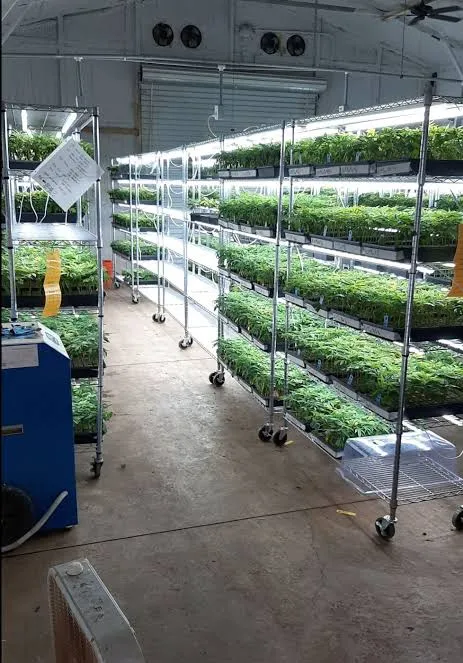
Large plant orders can save propagation time, but they also create operational risk when quantities, labels, size, health, or delivery timing are unclear. Buyers of Wholesale Cannabis Clones need a structured process that begins before the supplier starts production. Michigan cultivators should define the requirement, verify legal procedures, coordinate transport, and prepare a controlled intake area so living inventory can move into the facility without disrupting the production schedule.
Confirm the Regulatory Requirements
Commercial cannabis activity is regulated, and plant transfers may require authorized suppliers, records, manifests, inventory procedures, and specific transport arrangements. Operators should confirm current Michigan requirements with the appropriate regulatory sources.
Local conditions, license type, and facility procedures may also affect the transaction. Legal review should be part of purchasing, not a final check after the order is ready.
Define the Order Precisely
The cultivation team should specify varieties, quantities, desired plant stage, acceptable height range, container type, root standard, and delivery date. A vague request for a large number of clones leaves too much room for variation.
Commercial buyers reviewing clones for sale in michigan should also decide whether multiple varieties will be accepted in one shipment and how each group must be separated. Written specifications help the supplier plan production and help the receiving team prepare the correct rooms.
Evaluate Supplier Capacity
A supplier may perform well with small orders but lack the mother stock, space, staff, or transport systems needed for a large batch. Ask about production capacity, lead time, propagation scheduling, and how the nursery handles unexpected losses.
Realistic capacity limits are a positive sign. A supplier that accepts every quantity immediately may be more likely to rush rooting or deliver uneven plants.
Establish Genetic and Labeling Controls
Every plant group should be connected to organized mother-stock records. Labels must remain consistent from cutting through delivery. Commercial facilities should use the same strain names in purchasing, receiving, and internal inventory systems.
Before dispatch, the supplier can provide a written quantity breakdown. This reduces mix-ups and helps the facility confirm that the shipment matches its production plan.
Agree on Size and Root Standards
“Rooted” can mean different things. The buyer should define what stable rooting looks like and what height variation is acceptable. Plants that are significantly smaller or less developed may require different irrigation and lighting.
Representative photographs and a written grading standard can align expectations. Some natural variation is unavoidable, but the order should be reasonably uniform.
Review Health and Sanitation Practices
Ask how mother plants, propagation areas, tools, media, and finished clones are monitored. Important topics include pest inspection, cleaning schedules, isolation procedures, and the handling of damaged plants.
No nursery can remove every biological risk. The buyer should look for transparent prevention and response practices rather than absolute promises. The receiving facility must maintain its own inspection and observation process.
Coordinate Transport Carefully
Containers must remain upright, stems need protection, and plants should not be exposed to severe heat or cold. Delivery timing should match the availability of receiving staff. Living plants should not wait in a vehicle while the room is prepared.
Commercial transport and documentation requirements should be confirmed in advance. Responsibilities for loading, unloading, delays, and temperature protection should be clear.
Prepare the Intake Area
The receiving space should be clean and separated from established production when possible. Staff need room to count plants, verify labels, inspect condition, and document the shipment. Cameras or mobile devices can record each group.
Any plant showing severe wilting, webbing, unusual spotting, damaged stems, or questionable roots should be isolated. Concerns should be reported according to the supplier agreement.
Assign Staff Roles
A large delivery can become disorganized when everyone performs the same task or assumes someone else has completed it. Assign one person to quantities and records, another to plant-health inspection, and another to placement and environmental settings.
A written checklist creates accountability. It also supports training and makes future deliveries easier to review.
Plan Environmental Transition
Nursery lighting, humidity, airflow, temperature, and irrigation may differ from the production room. Moving clones directly into maximum intensity can create widespread stress. Develop a gradual acclimation plan and record the changes.
Watering and feeding should reflect plant size and previous care. A program intended for established plants may be too strong for a newly received batch.
Put Commercial Terms in Writing
The purchase agreement should cover quantities, genetics, size standards, pricing, deposits, fees, lead time, transport, documentation, reporting windows, and remedies. Clear terms protect both the supplier and the buyer.
If a delay occurs, the agreement should explain how communication and rescheduling will be handled. Production planning depends on accurate information.
Review Supplier Performance
After intake, the cultivation team should record uniformity, label accuracy, root quality, packaging, transport conditions, and communication. These observations create a supplier scorecard for future purchasing decisions.
A long-term relationship should be based on repeated performance. Successful delivery once does not remove the need for continued quality review.
Build a Contingency for Partial Fulfillment
Living inventory can be affected by rooting delays or health screening. The purchase agreement should explain what happens if the supplier cannot provide the entire quantity on the planned date. The operator may accept a split delivery, substitute a variety, or postpone the room, but the decision should be made through an agreed process rather than at the loading dock.
Protect Traceability After Intake
Internal labels, room maps, and batch records should preserve the supplier’s genetic information after the plants are placed. Traceability helps the facility compare performance, investigate health concerns, and maintain accurate inventory. Removing or rewriting labels casually can create confusion later in the production cycle.
Final Thoughts
A consistent bulk intake requires coordination across purchasing, compliance, nursery production, transport, and cultivation operations. Clear specifications, genetic records, health standards, secure delivery, and organized receiving reduce uncertainty.
The supplier provides the starting plants, but the facility controls the transition. Michigan cultivators that prepare staff, space, records, and environmental plans before delivery can move a large batch into production more smoothly and protect the schedule from avoidable disruption.
